Protecting Family Assets During a Medicaid Crisis

Many families facing a Medicaid crisis are not focused on protecting themselves alone. They are worried about the long-term impact on their children, grandchildren, or other loved ones. A common fear is that everything will be lost, leaving nothing for family members who were counting on a measure of stability or support. Because Missouri Medicaid applies strict transfer, penalty, and income treatment rules, family-driven decisions made without evaluation can create consequences that are difficult or impossible to undo.

Missouri Medicaid rules affecting families can be complex, and acting on assumptions often leads to outcomes families were trying to avoid.

Family Medicaid crisis planning focuses on protecting stability for children and loved ones while meeting Missouri Medicaid eligibility rules, so decisions made during a crisis do not create penalties, conflict, or long-term financial harm.

Documents to be reviewed by family during a Missouri Medicaid crisis

Why Family Situations Create Unique Risk

When family members are involved, Medicaid planning becomes more complicated. Unequal caregiving responsibilities, blended families, and informal promises often create pressure to act quickly and emotionally.

Without understanding how Medicaid treats inheritances and gifts, families may unintentionally trigger penalties or create conflict that lasts long after care begins.

Common Family Mistakes in a Medicaid Crisis

Families often make decisions that feel fair in the moment but produce long-term harm. Common mistakes include:

Medicaid penalties for transfers to children can delay eligibility and increase financial pressure on the entire family. Agreed upon transfers among the family are frequently subject to a penalty period.

Is it too late to do Medicaid planning if someone is already in a nursing home?

It is almost never too late. Both the Spousal Asset Protection Plan and the Individual Asset Preservation Plan address Medicaid crisis planning, even after nursing home care has begun. Available options depend on timing, assets, and family circumstances.

What Families Actually Want to Protect

In most cases, families are not focused on maximizing inheritance at all costs. What they want is stability, fairness, and peace among family members.

Protecting family assets often means ensuring that caregiving burdens are not placed on a single child, that expectations are clear, and that decisions made today do not create resentment or hardship later.

Protect Family Stability

Avoid decisions that create long-term financial stress or force family members into crisis later. Planning should support stability for the entire family, not just short-term eligibility.

Reduce Family Conflict

Prevent misunderstandings, resentment, and disputes by creating clarity and structure early. Clear planning helps families avoid conflict during already stressful circumstances.

Preserve Care Options

Keep flexibility so care decisions are based on need—not panic or financial pressure. Families should retain choices even as Medicaid rules are applied.

Maintain Dignity and Control

Ensure decisions reflect the family’s values, not just Medicaid deadlines. Thoughtful planning allows families to remain involved and informed throughout the process.

Schedule a Family Medicaid Crisis Planning Consultation

Start the 60-Second Intake Form

How Family Asset Protection Planning Works

Family asset protection planning begins with evaluation, not action. Before assets are transferred or spent, it is essential to understand how Missouri Medicaid rules apply to the family’s specific situation.

The Family Asset Protection Plan focuses on aligning timing, authority, and family goals within the boundaries of Missouri Medicaid law.

Evaluation

Every family Medicaid crisis begins with understanding the full picture. This includes assets, timing, family dynamics, and whether existing legal documents allow action to be taken.

Strategy

Once options are identified, planning focuses on lawful strategies that protect family stability, avoid unnecessary penalties, and reduce the risk of conflict among loved ones.

Implementation

With the right authority in place, planning steps are carried out in compliance with Missouri Medicaid rules, ensuring decisions align with both eligibility requirements and family goals.

Why Estate Planning Alone Fails Families in Crisis

Traditional estate planning is designed to distribute assets after death. It is rarely designed to function during a Medicaid crisis.

Without estate planning authority and Medicaid integration, families may find that documents they relied on do not allow the planning needed to protect family interests during long-term care.

Why are powers of attorney important for Medicaid planning?

When someone needs Medicaid, they may no longer be able to act on their own behalf. A properly drafted power of attorney authorizes a trusted person to act on their behalf. Many standard powers of attorney do not allow necessary Medicaid or asset-protection strategies. Properly drafted documents give families flexibility during illness or incapacity.

Family Conflict and Long-Term Consequences

Poor planning does not just affect finances. It can damage family relationships. Disputes over caregiving, money, and expectations often surface when decisions are made without clarity.

When families plan under pressure, conflict often follows.
A clear evaluation can protect both financial stability and family relationships.

Taking time to evaluate options can reduce conflict and help families move forward together.

Can Medicaid planning help reduce conflict among family members?

Yes. While Medicaid planning cannot eliminate all family disagreements, a clear evaluation and documented strategy often reduces misunderstandings, resentment, and last-minute disputes. When expectations are defined and decisions are grounded in Missouri Medicaid rules, families are better able to focus on care rather than conflict.

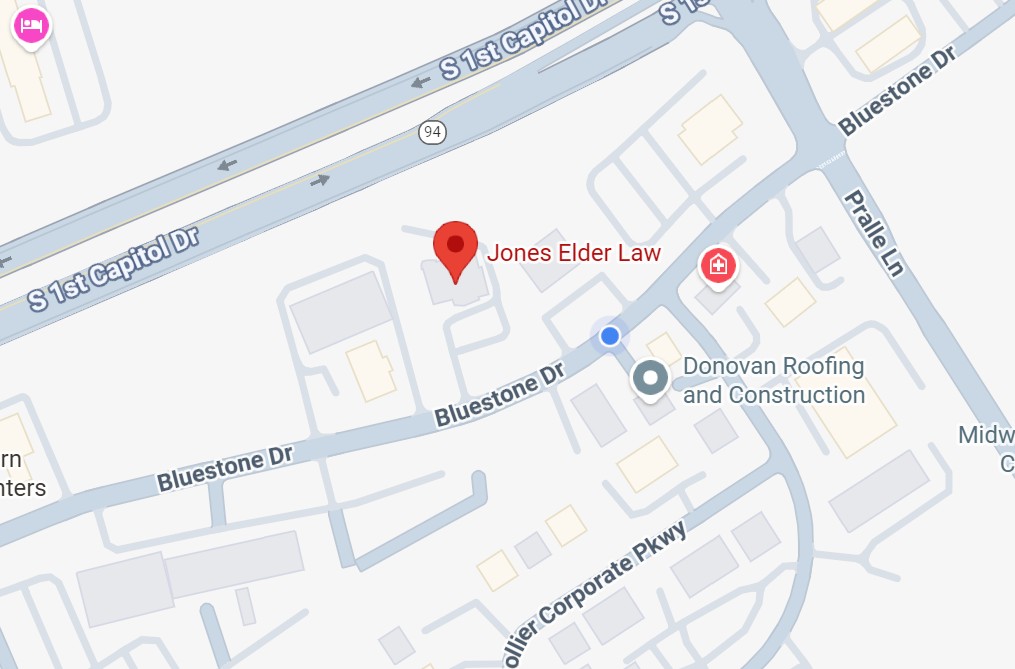
Map depicting the Jones Elder Law office
This is some text inside of a div block.

Serving Families Across St. Charles County and Surrounding Areas

Jones Elder Law provides Estate planning, Medicaid crisis planning, and asset protection services to families across St. Charles County, St. Louis County, and surrounding areas.

Our firm regularly works with families in St. Charles, St. Peters, O’Fallon, Wentzville, Cottleville, Lake St. Louis, and throughout the greater St. Louis metropolitan area.

Many Medicaid crisis matters can be handled remotely by phone or secure video consultation, allowing us to assist families quickly, even when in-person meetings are not immediately possible.

If you are unsure whether we serve your area, please contact our office and we will be happy to confirm availability.

Get clarity before you take the next step.

If you’re facing a nursing home admission, hospital discharge, or urgent Medicaid decisions, a short consultation can help you understand what options may still exist and what mistakes to avoid—based on your specific facts and Missouri Medicaid rules.

Thank you — we’ve received your information. A member of the Jones Elder Law team will review your situation and contact you promptly. If your situation is urgent, please call our office now.
Oops! Something went wrong while submitting the form.
Need to speak with someone now?
Call Our Office
If you’re on a computer, please call 636-493-3333
Missouri Medicaid Crisis Overview

This resource is provided by Jones Elder Law, LLC, a Missouri elder law firm focused on Medicaid crisis planning and asset protection.

The choice of a lawyer is an important decision and should not be based solely upon advertisements.